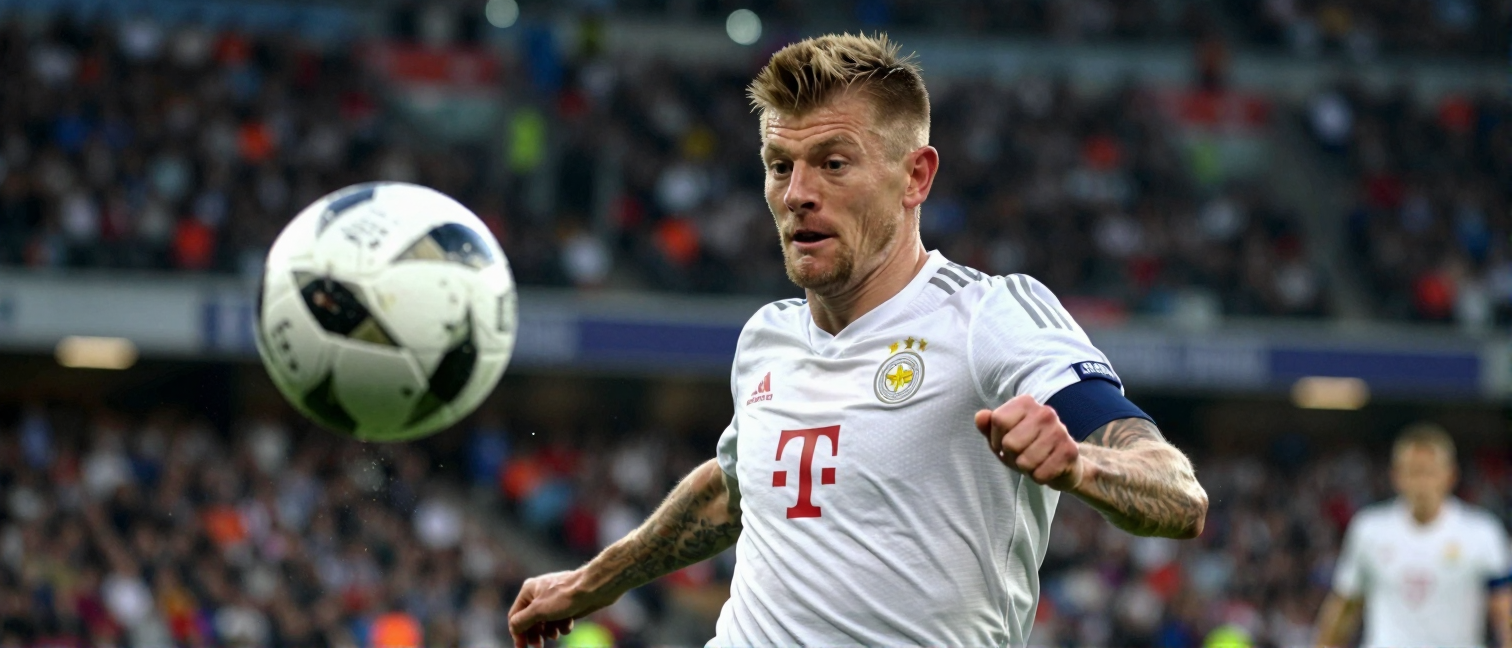
Toni Kroos slammed Germany’s talent pool on 1 July 2026, declaring the nation has no world‑class players capable of deciding matches after the World Cup loss to Paraguay.
What did Kroos say?
During his post‑match analysis show *Kroos & Kroos: The World Cup Under the Microscope*, the 2014 champion argued that while several internationals show potential, none have yet proven themselves at the highest level. “We have players with world‑class potential, but that doesn’t make them world‑class,” he told viewers. The comment landed hours after Germany’s 2‑1 defeat on 30 June, which ended their tournament run.
Why is the verdict significant?
Kroos’ assessment adds weight to a chorus of criticism aimed at head coach Julian Nagelsmann. Media outlets, former players and even politicians have questioned the coach’s tactics since the early exit. By naming the lack of elite performers as the core issue, Kroos shifts the conversation from tactical tweaks to a deeper talent‑generation problem that could affect Germany’s next Euro campaign.
Who might fill the gap?
The former Real Madrid midfielder acknowledged that Germany possesses a crop of promising names – Leroy Sané, Jamal Musiala and Florian Wirtz – yet he stressed that promise alone won’t turn matches. “World‑class players are the ones who decide games at a World Cup,” Kroos explained. His remarks imply that the federation must accelerate development pathways if any of these prospects are to become decisive on the world stage.
What are the next steps for Germany?
Following the Paraguay loss, the German Football Association (DFB) announced an internal review on 2 July, focusing on scouting, youth integration and leadership training. Nagelsmann’s future remains uncertain; rumors suggest a possible coaching change before the next qualifying cycle. Kroos, now a pundit, hinted that former stars could play a role in mentoring the next generation, echoing his own transition from player to analyst.
How will fans react?
German supporters have taken to social media, with many echoing Kroos’ bluntness. Some argue the criticism is harsh, pointing to recent Bundesliga performances, while others welcome the wake‑up call. The debate is likely to dominate talk shows and fan forums throughout the summer, as the nation searches for a new identity after a disappointing World Cup.
What does this mean for Kroos?
Kroos’ outspoken stance reinforces his status as a respected voice in German football, even off the pitch. By leveraging his World Cup winner credibility, he positions himself as a key commentator on the sport’s future. His comments may also influence how former players are involved in talent development, potentially shaping the next wave of German stars.
What lies ahead?
The DFB’s upcoming strategy meeting on 10 July will outline concrete steps to nurture elite talent. Whether Germany can produce a player who matches the impact of Thomas Müller or Miroslav Klose remains an open question, but Kroos’ verdict ensures the issue stays front‑and‑center in the national conversation.