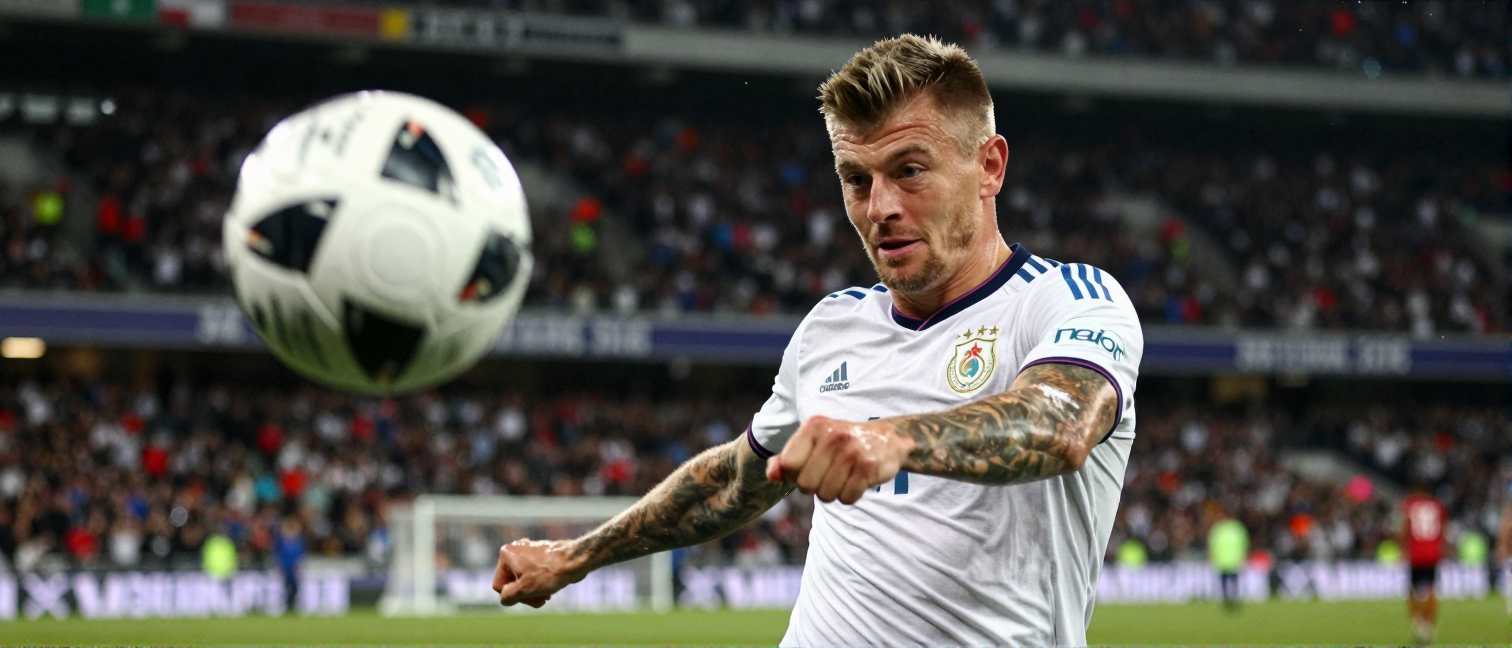
Toni Kroos highlighted Morocco as his favorite underdog on July 6 2026, adding weight to the African side’s growing reputation ahead of the World Cup. The former Real Madrid and Germany midfielder shared his view in a short interview that quickly spread across sports outlets, noting the team’s defensive discipline and tactical cohesion.
Why did Kroos pick Morocco?
Kroos pointed to Morocco’s recent performances in major tournaments, especially their tight back line and swift counter‑attacks. He said the squad has built a clear identity that lets them compete with traditional powerhouses. The German star also mentioned the team’s ability to stay organized under pressure, a trait he valued from his own World Cup experiences.
How does the comment affect tournament chatter?
Analysts have long debated whether African nations can break the European‑South American dominance. Kroos’s endorsement gave the conversation a fresh boost, with pundits citing his insight as evidence that Morocco could cause upsets. Social media reacted instantly; a tweet from @LionTimes_ quoting Kroos trended in several football circles on the same day.
What does this mean for Kroos’s post‑playing influence?
Even years after hanging up his boots, Kroos remains a respected voice on tactical matters. By spotlighting Morocco, he demonstrates how former elite players can shape public perception and media narratives. His comment may also encourage scouts and clubs to monitor African talent more closely, echoing his own belief in collective strength over individual flash.
What’s next for Morocco and the World Cup?
Morocco enters the group stage with a solid defensive record and a reputation for disciplined play. Their next match, scheduled for July 12, pits them against a South American opponent, a test that will reveal whether Kroos’s praise translates into on‑field success. Fans will watch closely, hoping the underdog label turns into a knockout‑stage story.
How does this fit into broader tournament trends?
The World Cup this year sees several non‑traditional teams gaining momentum. Asian and African squads have shown they can challenge the status quo, and Kroos’s remarks underscore that shift. As the tournament unfolds, his observation may become a reference point for analysts tracking surprise packages.
Kroos’s endorsement of Morocco adds a notable voice to the ongoing dialogue about emerging football powers, and it could influence how fans and experts view the underdog narrative throughout the competition.